Regulatory Influences on Tiered Rotation Access in Britain's Mobile Gambling Ecosystem
Written by Logan Fischer · Sep 7, 2026
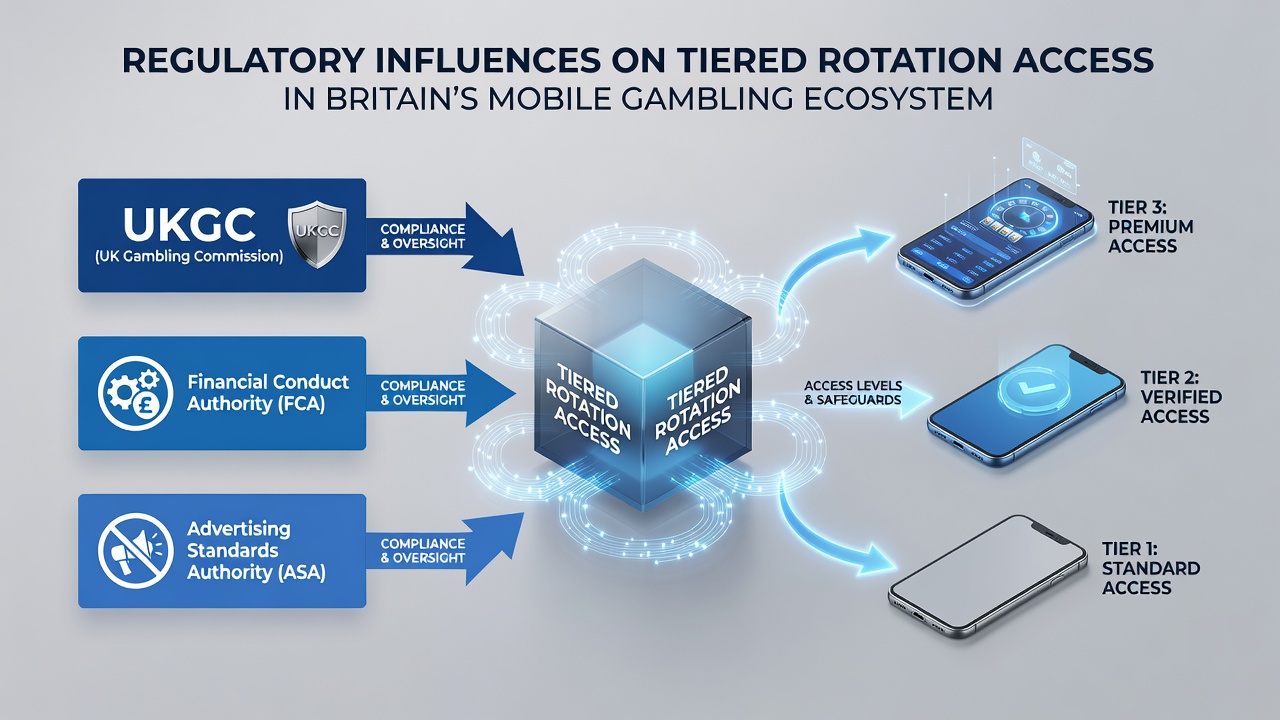
Regulatory Influences on Tiered Rotation Access in Britain's Mobile Gambling Ecosystem
Britain's mobile gambling sector operates under layers of oversight that shape how operators structure tiered rotation access for users, and these rules determine eligibility for rotating bonus features, spin packages, and engagement-based incentives across licensed apps. Data from industry reports indicate that compliance requirements directly affect the design of access thresholds, where players move between tiers based on verified activity levels while operators maintain strict adherence to fairness standards and player protection measures.
Core Regulatory Mechanisms at Play
Rules enforced by various oversight bodies establish boundaries on how mobile platforms can implement rotation systems, which often involve cycling through different game options or promotional layers tied to deposit history and play frequency. Observers note that verification protocols require real-time checks on user location, age, and spending patterns before granting access to higher tiers, and this process creates structured pathways that prevent unauthorized entry into premium rotation cycles. Figures from international comparisons reveal similar patterns in other jurisdictions, where Canadian research institutions have documented how comparable controls reduce instances of rapid tier escalation without corresponding activity verification.
Operators must integrate these controls into app architecture so that rotation access aligns with documented player profiles, and studies from academic sources show that such integration leads to standardized tier progression models across multiple platforms. In practice this means mobile systems track cumulative engagement metrics while blocking progression if any compliance flags appear during routine audits.
Effects on Mobile App Architecture
Developers adjust backend systems to accommodate regulatory demands around tiered features, which frequently results in segmented rotation schedules that unlock only after users complete verified steps such as confirmed deposits or sustained session lengths. Researchers have observed that these adjustments create predictable access patterns where lower tiers offer basic rotating options while elevated levels provide expanded selections, all while maintaining separation between promotional content and core gameplay mechanics. What's interesting is how these structures intersect with broader data protection standards that require encrypted logging of every tier transition.
Evidence suggests that mobile operators in Britain have responded by embedding automated compliance checks at each rotation gateway, and this approach mirrors findings from Australian regulatory analyses that examined similar incentive layering in digital environments. The result appears in consistent reporting formats that operators submit to track tier movement statistics without revealing individual user details.
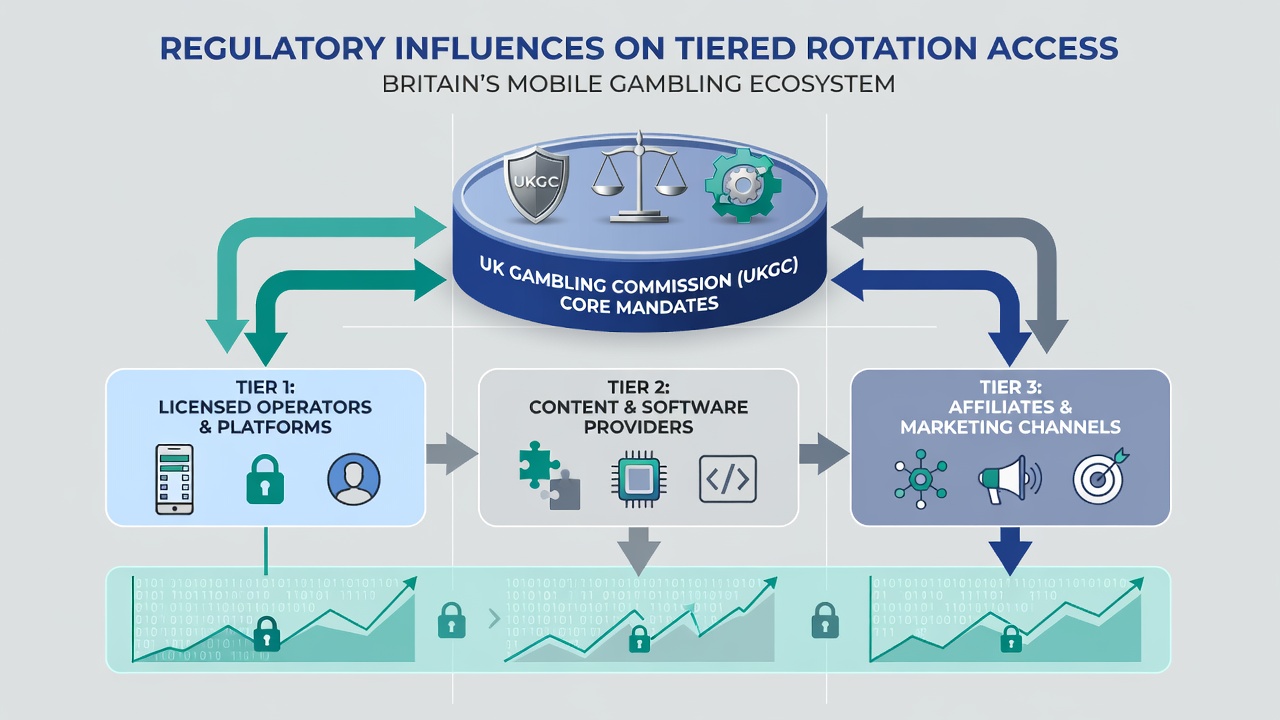
International Comparisons and Data Trends
Analyses conducted by the National Center for Responsible Gaming highlight how tiered access systems respond to cross-border regulatory influences, with British platforms incorporating elements seen in North American frameworks to maintain consistency in player safeguards. Reports from the National Center for Responsible Gaming indicate that such alignments reduce discrepancies in how rotation incentives are presented across different regions. Meanwhile data compiled by the Victorian Responsible Gambling Foundation in Australia demonstrates parallel effects on engagement thresholds when oversight bodies impose tier verification rules.
These external benchmarks show that British operators have adopted refined logging procedures for rotation events, and the procedures align with global standards that emphasize transparency in tier eligibility calculations. In September 2026 additional reporting requirements are scheduled to take effect in several jurisdictions, which could prompt further synchronization of tiered access protocols within Britain's mobile ecosystem.
Implementation Patterns Across Licensed Platforms
Licensed operators demonstrate consistent application of regulatory guidelines when configuring rotation tiers, where systems automatically adjust available cycles based on accumulated verified play data. Those who've examined deployment logs note that platforms often segment user groups into distinct access categories that correspond to regulatory risk assessments, and this segmentation supports targeted delivery of rotating features without breaching established limits. The reality is that mobile apps incorporate these categories through progressive interface updates that reflect ongoing compliance monitoring.
Industry documentation reveals that rotation access expands gradually as users satisfy cumulative criteria, and such gradual expansion follows templates refined through repeated regulatory reviews. External audits confirm that these patterns hold across multiple apps, creating a shared operational baseline for tier management.
Conclusion
Regulatory frameworks continue to guide the evolution of tiered rotation access in Britain's mobile gambling applications by establishing clear parameters for eligibility, verification, and progression tracking. Information drawn from multiple international sources shows that these influences produce standardized yet adaptable systems that operators maintain through integrated compliance tools. As scheduled updates approach in September 2026, platforms are positioned to refine their rotation structures further while preserving alignment with existing oversight requirements.