Decoding Volume-Based Incentive Structures for Reel-Based Entertainment in the UK's Licensed Digital Gambling Sector
Written by Logan Fischer · Aug 19, 2026
Decoding Volume-Based Incentive Structures for Reel-Based Entertainment in the UK's Licensed Digital Gambling Sector
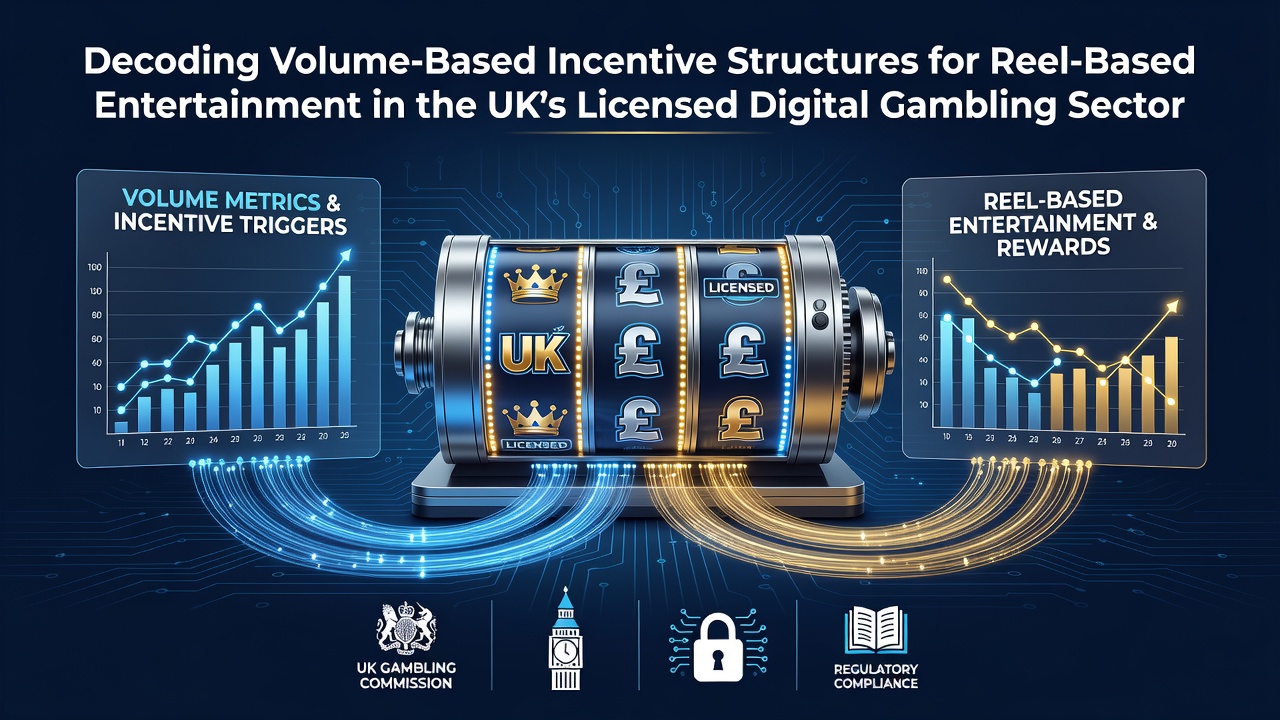
Volume-based incentive structures in the UK's licensed digital gambling sector tie player rewards directly to total amounts wagered on reel-based games such as online slots, and operators calculate these rewards through tracked metrics that include total bets placed, frequency of play sessions, and cumulative turnover across specific periods. These programs operate under strict licensing conditions that require transparent calculation methods and clear disclosure of how wager volumes translate into benefits like cashback percentages, free spin allocations, or tiered loyalty points. Researchers note that such systems encourage sustained engagement while operators must balance commercial goals with compliance obligations that evolve over time.
Core Mechanics of Volume Tracking
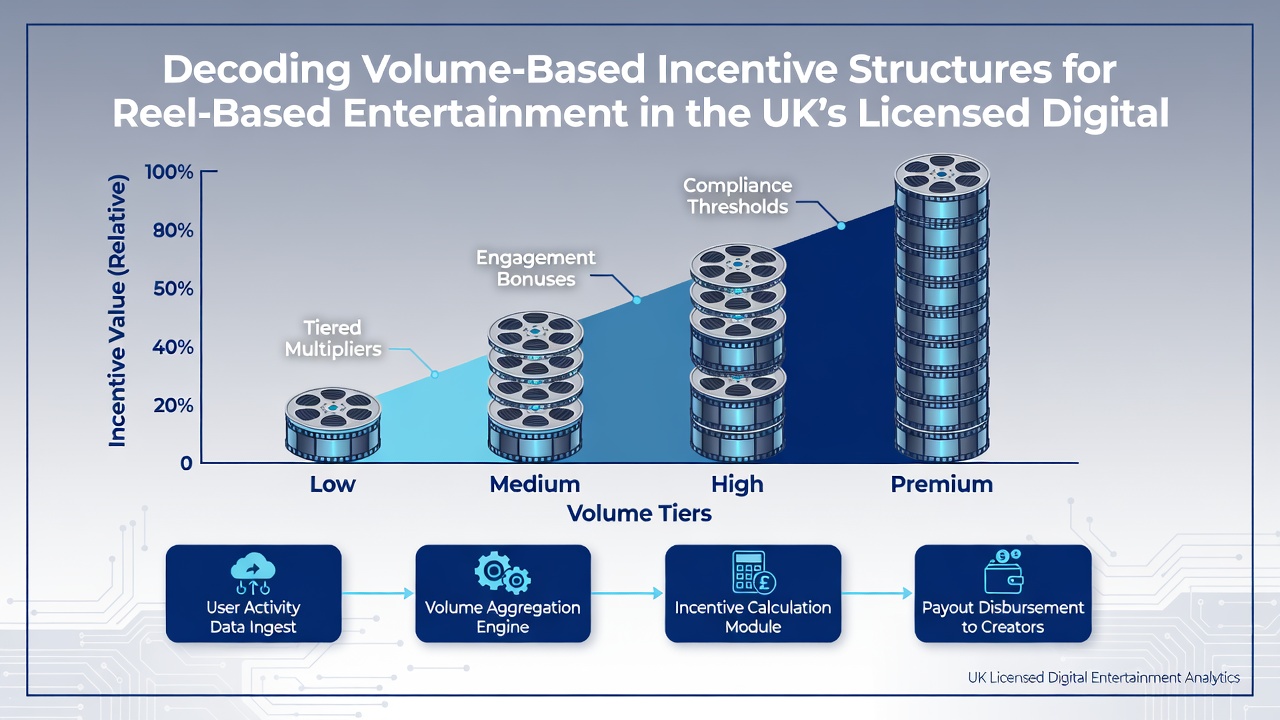
Operators monitor player activity through centralized systems that record every spin and bet amount in real time, then aggregate those figures into monthly or quarterly totals that determine eligibility for higher reward tiers. A typical structure begins with an entry-level tier available to all registered users and progresses through intermediate levels that unlock once players reach defined wager thresholds, for instance £5,000 in total bets within a calendar month. Higher tiers often deliver increased cashback rates on net losses or accelerated point accumulation that can be redeemed for additional reel-based entertainment credits. Data from the Alcohol and Gaming Commission of Ontario indicates that similar volume-linked models in other jurisdictions show measurable increases in average session length once players approach the next reward threshold.
Regulatory Framework and Compliance Requirements
Licensed operators in the UK must publish the precise formulas used to convert wager volume into rewards, and they face audits that verify accurate application of those formulas across all player accounts. Requirements include clear separation between promotional funds and player deposits, along with mandatory cooling-off periods when volume targets trigger automatic bonus releases. As preparations advance for updated reporting standards scheduled to take effect in August 2026, platforms are adjusting their tracking software to capture additional data fields that regulators will require for oversight of incentive distribution. These changes aim to maintain consistent standards without restricting the ability of operators to design competitive programs that remain attractive to regular players of reel-based titles.
Common Reward Tiers and Examples
Many programs segment players into four or five distinct levels, with each successive tier demanding roughly double the previous volume commitment before unlocking enhanced benefits. One widely observed pattern awards 5 percent cashback at the base level, rising to 15 percent or more at the top tier, while simultaneously granting priority access to new slot releases and personalized free spin packages scaled to recent wager totals. Observers note that these graduated structures mirror loyalty schemes in other entertainment sectors yet incorporate specific safeguards such as maximum monthly reward caps that prevent unlimited accumulation. A case study published by the American Gaming Association examined comparable systems and found that players who reached mid-tier status typically maintained consistent monthly volumes rather than exhibiting sharp spikes followed by abrupt declines.
Player Behavior Patterns and Industry Data
Studies conducted across multiple markets reveal that volume-based incentives tend to stabilize playing patterns among a subset of regular users who actively monitor their progress toward the next tier. Figures released by the New Zealand Department of Internal Affairs show that participants enrolled in tiered programs demonstrate higher retention rates over twelve-month periods compared with non-enrolled accounts, although the difference narrows when operators introduce additional responsible gambling tools such as spend limits. Operators report that reel-based entertainment accounts for the majority of tracked volume within these schemes because slot games generate rapid, measurable bet turnover that fits neatly into automated calculation engines. Yet the same data sets indicate that players who combine slot play with table games often reach higher tiers faster, prompting some programs to apply weighting factors that recognize cross-game activity.
Future Adjustments Expected by August 2026
Industry reports project that operators will refine their incentive algorithms ahead of the August 2026 compliance deadline to incorporate real-time risk flagging when volume accumulation occurs at rates that exceed historical norms for individual accounts. These adjustments will require updated player communication templates that explain how current wager totals map onto projected rewards, thereby reducing ambiguity around eligibility. External audits scheduled for the second half of 2026 will test whether systems correctly apply new transparency rules without disrupting existing reward delivery timelines. Those who have examined similar regulatory transitions in other regions note that operators typically complete the necessary software updates several months in advance, allowing time for internal testing and staff training.
Conclusion
Volume-based incentive structures continue to shape how players interact with licensed reel-based entertainment platforms in the UK, with operators relying on precise tracking systems and tiered reward schedules that must satisfy both commercial objectives and evolving regulatory standards. The upcoming reporting enhancements set for August 2026 will add another layer of accountability while preserving the core mechanism that links total wagers to tangible benefits. Data gathered from comparable jurisdictions demonstrates consistent patterns in player retention and spending behavior once these programs are in place, and operators are already preparing systems to meet the next set of compliance milestones.