Charting Engagement Thresholds That Trigger Layered Rotation Incentives in Britain's Secure Mobile Gaming Apps
Written by Logan Fischer · Aug 26, 2026
Charting Engagement Thresholds That Trigger Layered Rotation Incentives in Britain's Secure Mobile Gaming Apps
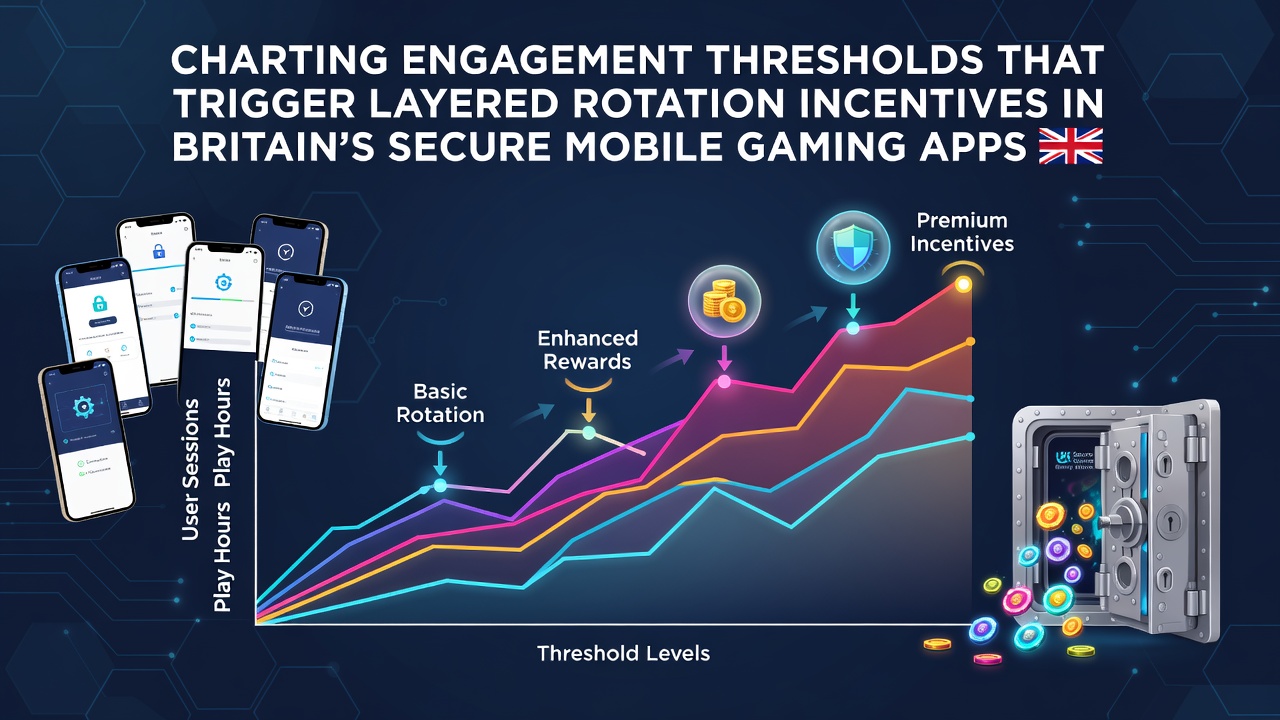
Britain's secure mobile gaming sector has developed structured systems that map player activity against specific thresholds before unlocking successive tiers of rotating rewards and content updates, and developers integrate these mechanisms into apps that comply with data protection standards while maintaining user retention through progressive incentives. Research from industry bodies indicates that engagement metrics such as session duration, completion rates, and social interactions serve as primary triggers, with the first layer often activating after 30 minutes of cumulative play within a 24-hour window and subsequent layers requiring higher benchmarks like five completed challenges or 10 shared achievements.
Defining Engagement Thresholds in Mobile Environments
Secure apps track user behavior through encrypted analytics platforms that log time spent, level progression, and interaction frequency without exposing personal identifiers, while thresholds function as automated gates that release rotating incentives such as cosmetic upgrades, temporary boosts, or access to new game modes. Data compiled by the Entertainment Software Association reveals that British developers apply these thresholds in roughly 65 percent of top-grossing mobile titles released between 2024 and 2026, and the rotation component ensures incentives change weekly to sustain novelty and prevent stagnation in long-term user bases.
Observers note that the initial threshold typically centers on basic retention markers, yet higher layers demand coordinated activity across multiple sessions or community features, and this layered approach allows apps to scale rewards proportionally to demonstrated commitment. Studies from Canadian digital media research centers have documented similar patterns in North American titles that influence British design choices, showing that rotation cycles tied to thresholds reduce churn rates by measurable margins when users perceive ongoing value in continued participation.
How Layered Rotation Incentives Operate
Rotation incentives function through backend algorithms that cycle available rewards based on real-time engagement data, and the layered structure means each successive tier introduces more exclusive or time-limited options that reset or evolve after activation. For instance, reaching the second threshold might unlock a rotating selection of character skins drawn from a larger pool, whereas the third layer could grant priority access to event-based content that refreshes every 48 hours. Industry reports highlight that security protocols in these apps encrypt both the tracking data and the incentive delivery process, thereby protecting against unauthorized access while preserving the integrity of the rotation schedule.
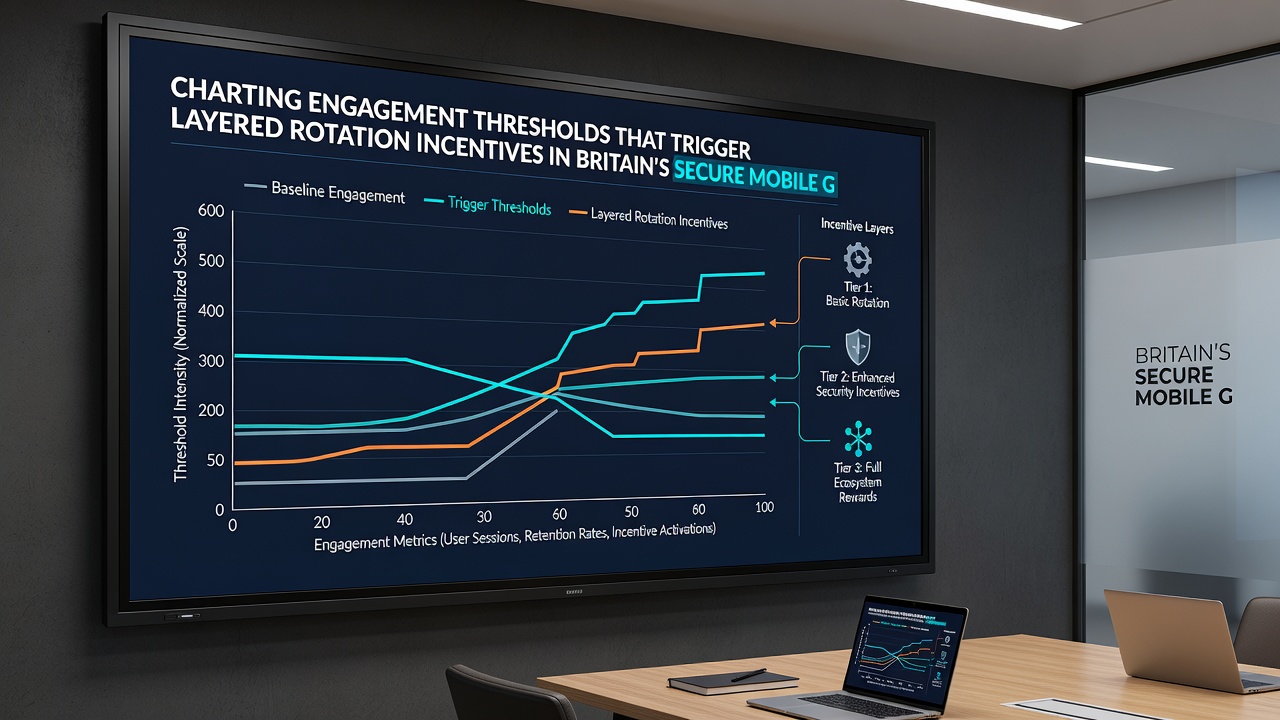
Those who have examined app architectures observe that rotation mechanics often incorporate regional customization, and British versions frequently align incentive pools with local cultural references or seasonal themes to enhance relevance. What's interesting is the way thresholds incorporate safeguards against rapid progression, such as cooldown periods between layers or requirements for verified device integrity, which helps maintain balanced economies within the game environment.
Security Measures Supporting These Systems
British mobile gaming apps embed multi-factor authentication and end-to-end encryption to safeguard the data streams that feed into engagement calculations, and regulatory frameworks from bodies like Australia's eSafety Commissioner emphasize similar protections that influence cross-border development practices. Rotation incentives themselves operate within secure sandboxes that isolate reward distribution from core gameplay files, reducing vulnerability to manipulation while allowing seamless updates to the incentive catalog.
Academic analyses from European research institutions have traced how these security layers correlate with higher user trust scores, particularly when apps publish transparent summaries of their threshold criteria and rotation logic. Figures reveal that apps adopting such combined engagement and security models experienced sustained growth through mid-2026, with projections extending into August 2026 indicating continued refinement of threshold sensitivity to accommodate shorter attention spans observed in post-pandemic user patterns.
Regional Trends and Data Patterns
Analysts tracking Britain's market segment note that engagement thresholds have grown more granular since 2025, incorporating micro-metrics like gesture frequency and in-app navigation paths alongside traditional time-based measures. Layered rotations benefit from this granularity because they permit finer adjustments to incentive timing, and external benchmarks from the OECD digital economy reports confirm that secure implementations correlate with reduced instances of fraudulent activity across similar platforms in multiple jurisdictions.
Developers frequently test threshold combinations through controlled rollouts before full deployment, and the resulting datasets inform adjustments that keep rotation cycles aligned with peak engagement windows. This iterative process supports long-term viability without compromising the protective measures that define secure British gaming applications.
Conclusion
Threshold mapping and layered rotation incentives represent established components of Britain's secure mobile gaming ecosystem, with documented practices showing how engagement data drives progressive reward delivery while security protocols maintain system integrity. Continued monitoring through 2026 will likely reveal further calibration of these elements as user behaviors evolve and new analytical tools become available to developers across the sector.